Managing Postpartum Hair Loss for Stronger, Healthier Hair

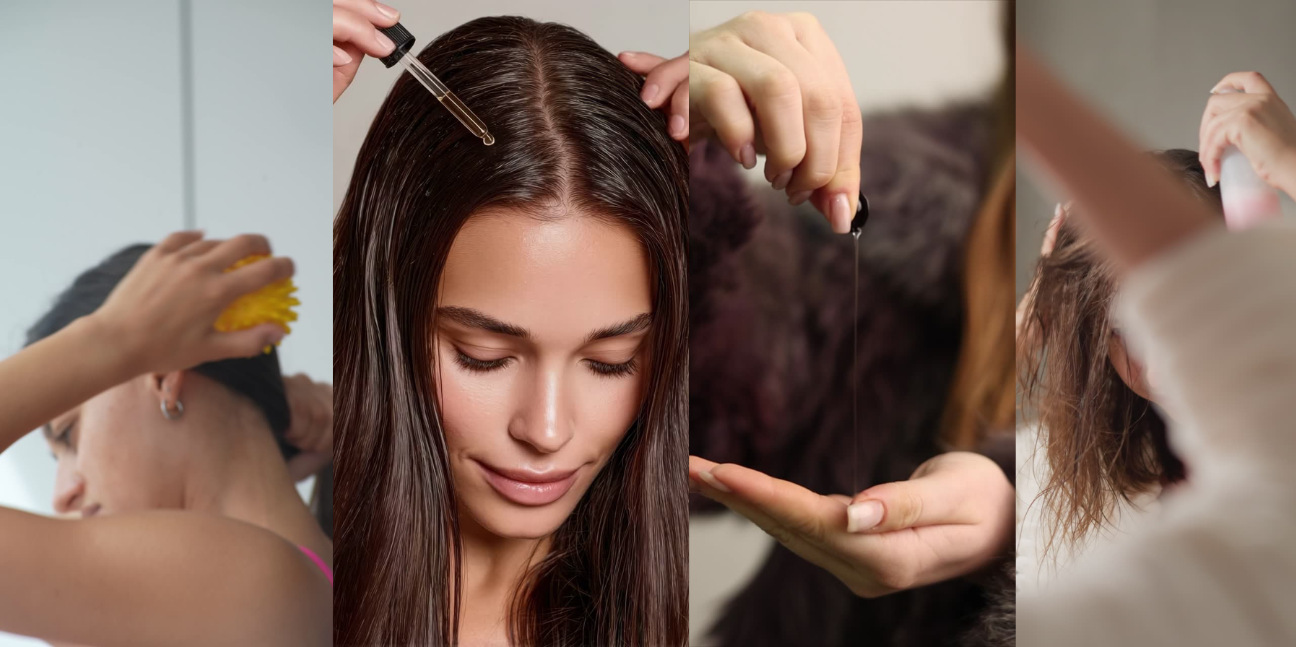
Seeing more hair than usual in your brush or shower after having a baby can feel unsettling. You may have enjoyed thicker, fuller-looking hair during pregnancy, only to notice increased shedding a few months after childbirth. This experience is common among new mothers and often results from hormonal changes that occur after delivery.
Although postpartum hair loss is usually temporary, it can affect your confidence and leave you searching for effective ways to support healthier-looking hair. Building the right habits during this period can help you care for your hair while your body gradually returns to its pre-pregnancy state.
Many women look beyond basic hair care and consider targeted nutritional support as part of their postpartum wellness routine. Brands such as Nutrafol have introduced products specifically designed for women navigating this stage. Nutrafol Postpartum, formulated for women during the first year after childbirth, is one option that addresses factors associated with postpartum hair thinning while supporting overall hair wellness. Before considering any solution, understanding the causes of postpartum hair loss can help you make more informed decisions about your hair care journey.
Understanding Postpartum Hair Loss
Pregnancy brings significant hormonal changes that influence many functions throughout your body, including the hair growth cycle. During pregnancy, elevated estrogen levels help keep more hair follicles in the active growth phase. This often results in thicker, fuller-looking hair.
After childbirth, hormone levels begin to shift. As estrogen levels decrease, many hair follicles transition into the shedding phase at the same time. This process can lead to noticeable hair loss that may seem sudden or excessive.
Postpartum shedding generally begins a few months after delivery and can continue for several months. While the amount of hair loss varies from person to person, the condition is typically temporary and forms part of the body's natural recovery process.
Supporting Hair Health Through Proper Nutrition
Healthy hair relies on a consistent supply of nutrients. During pregnancy and the postpartum period, your body uses substantial nutritional resources to support both maternal recovery and infant development.
Protein remains one of the most important nutrients for hair because hair strands are primarily composed of protein. Including adequate sources such as eggs, fish, poultry, beans, and lentils can help support overall hair wellness.
Iron also plays a valuable role in maintaining healthy hair growth. Low iron levels may contribute to increased shedding in some individuals. Nutrient-rich foods including leafy greens, lean meats, and legumes can help support healthy intake.
Additional nutrients frequently associated with hair wellness include vitamin D, zinc, biotin, and omega-3 fatty acids. Prioritizing a balanced diet can help create a supportive foundation for healthier-looking hair during postpartum recovery.
Managing Stress During Recovery
The postpartum period often brings physical demands, emotional adjustments, and disrupted sleep patterns. These challenges can increase stress levels and affect overall well-being.
Creating opportunities for relaxation can support your recovery process. Gentle exercise, mindfulness practices, stretching, and short periods of rest may help you manage daily stress more effectively.
Sleep may feel difficult to prioritize when caring for a newborn, yet even small improvements in rest can benefit your physical recovery. Supporting your overall wellness can create favorable conditions for healthy hair growth over time.
Gentle Hair Care Habits That Support Hair Appearance
When hair shedding becomes more noticeable, adopting gentle hair care practices can help reduce unnecessary breakage and maintain the appearance of fullness.
Using a wide-tooth comb, minimizing excessive heat styling, and avoiding tight hairstyles can reduce stress on fragile strands. Hair that is already shedding may become more vulnerable to breakage when exposed to aggressive styling techniques.
Scalp care also deserves attention. A healthy scalp provides the foundation for healthy-looking hair. Regular cleansing and gentle scalp massage may contribute to overall scalp wellness while supporting your hair care routine.
Building consistent habits can help you maintain hair quality while waiting for the natural growth cycle to stabilize.
The Role of Targeted Hair Wellness Supplements
Many women choose to supplement their diets during the postpartum period to help address nutritional demands and support overall wellness. Hair-focused supplements have become increasingly popular among those seeking additional support during postpartum recovery.
When evaluating supplements, choosing products designed specifically for postpartum needs may provide a more targeted approach. These formulations often consider the unique physiological changes that occur after pregnancy and childbirth.
Nutritional support works best when combined with healthy lifestyle practices rather than viewed as a standalone solution. Balanced nutrition, stress management, and gentle hair care remain important components of any comprehensive hair wellness strategy.
Nutrafol Postpartum as a Hair Wellness Option
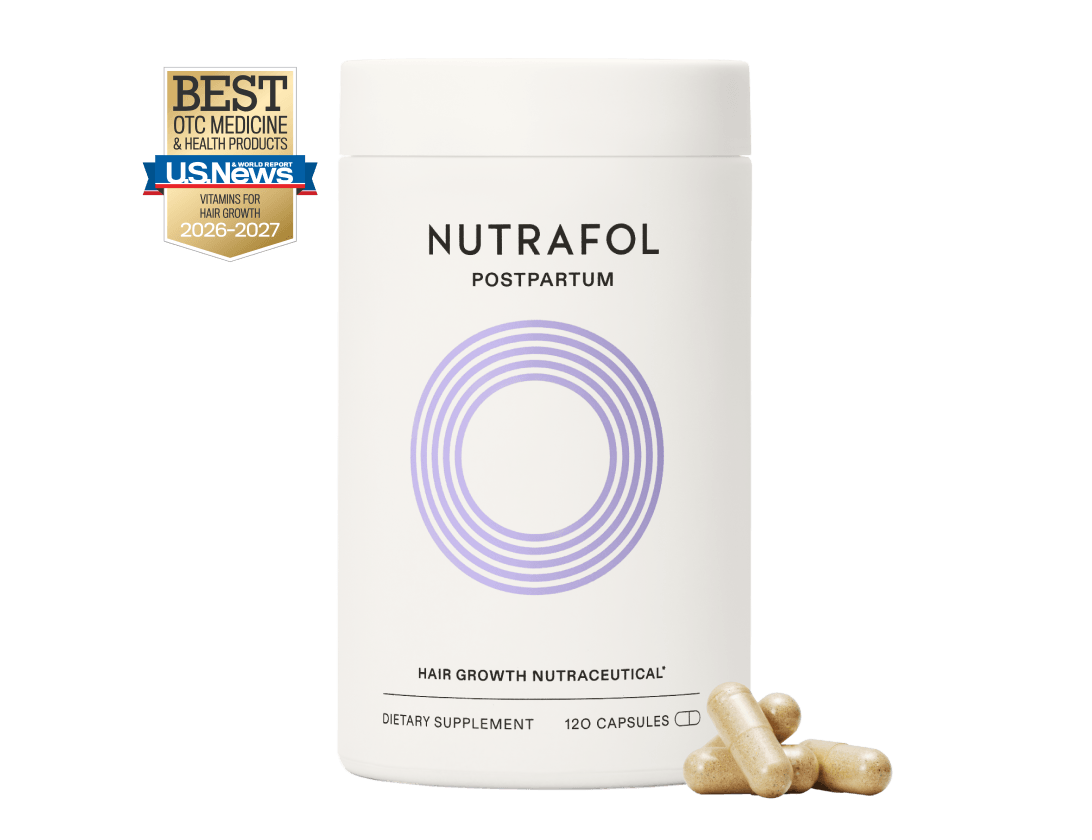
Among products formulated specifically for postpartum women, Nutrafol Postpartum is designed to support women during the first year after childbirth. According to Nutrafol, the supplement was developed with input from OB-GYNs and contains breastfeeding-friendly ingredients selected to address factors associated with postpartum hair thinning.
It includes ingredients such as DHA omega-3 fatty acids, shatavari, tocotrienol complex, vitamins, minerals, and botanical components intended to support hair wellness during postpartum recovery. The formulation focuses on factors linked to postpartum hair thinning, including nutritional demands and stress-related influences that may affect hair health.
Unlike general hair supplements, it was created specifically for women experiencing postpartum changes. This targeted focus makes it relevant for mothers seeking support while managing increased shedding and hair thinning after pregnancy.
Building Consistency for Long-Term Hair Support
Hair growth is a gradual process. Changes rarely occur overnight because hair follicles operate according to a natural growth cycle that requires time.
Consistency often plays a larger role than short-term efforts. Maintaining a nutrient-rich diet, practicing gentle hair care, managing stress, and following a wellness routine can help support healthier-looking hair over time.
Tracking your progress through photographs may help you notice gradual improvements that are easy to overlook on a daily basis. Reduced shedding, improved texture, and new growth may become more noticeable with patience and continued care.
Creating a Personalized Postpartum Hair Strategy
Every postpartum experience differs. Genetics, nutrition, stress levels, overall health, and breastfeeding status can all influence how your hair responds after childbirth.
A personalized approach often provides the greatest benefit. Evaluating your lifestyle habits, identifying areas where additional support may be helpful, and selecting products aligned with your individual needs can help you create a more effective hair wellness plan.
For women interested in targeted nutritional support, Nutrafol Postpartum represents one option formulated specifically for the postpartum stage. When combined with healthy habits, it may become part of a broader strategy focused on supporting hair wellness and overall recovery.
Supporting Hair Confidence During Postpartum Recovery
Postpartum hair loss can feel challenging, particularly when shedding becomes more noticeable than expected. Understanding the reasons behind this temporary condition allows you to approach recovery with greater confidence and realistic expectations.
Healthy hair support begins with consistent habits. Nutritious meals, stress management, adequate rest, gentle styling practices, and thoughtful product choices can all contribute to a healthier environment for hair wellness. While patience remains important, every positive step can support your long-term goals.
As you move through postpartum recovery, maintaining a balanced approach can help you care for both your overall well-being and your hair. Brands such as Nutrafol have responded to this need with targeted options like Nutrafol Postpartum, created specifically for women during the first year after childbirth. Combined with healthy lifestyle choices, the right support system can help you feel more confident throughout your hair recovery journey.
Manage postpartum hair loss with healthy habits, nutrition tips, and targeted support from Nutrafol Postpartum for hair wellness.