Why Electric Bikes Are Replacing Cars (And Which One You Should Choose)

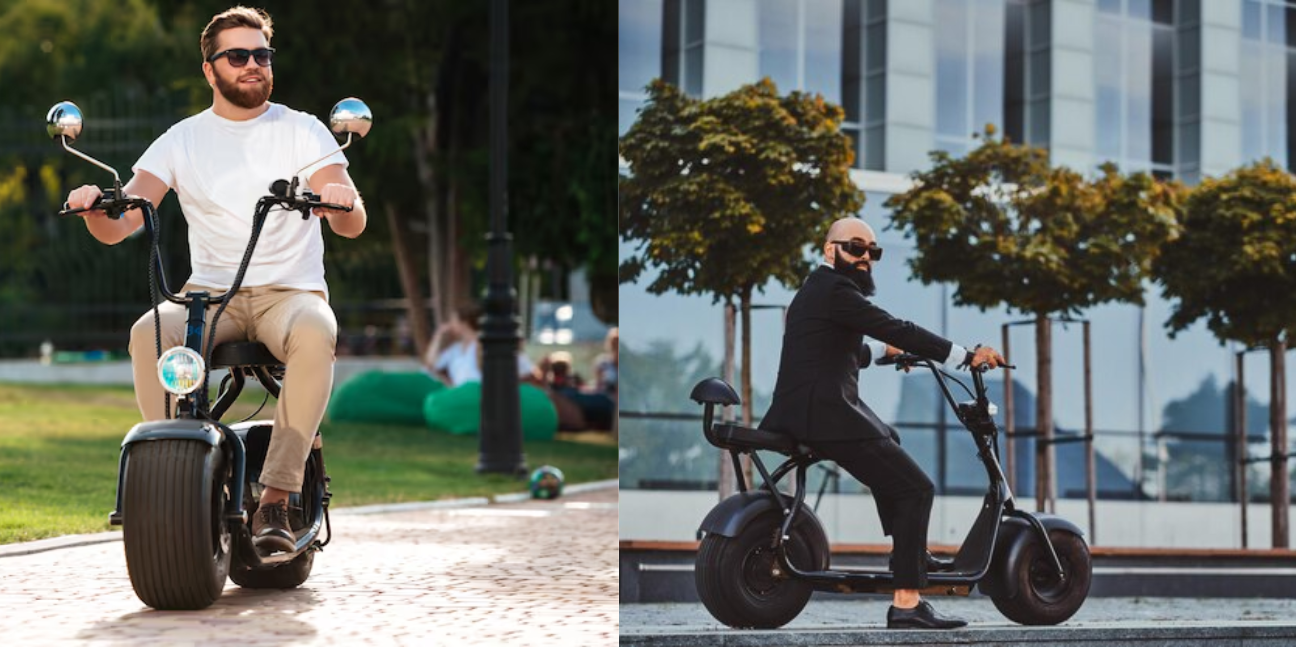
Urban mobility is undergoing a profound transformation as electric bikes emerge as a practical and sustainable alternative to traditional cars. Rising fuel prices, increasing environmental concerns, and the need for efficient daily commuting solutions have accelerated this shift. Electric bikes, once considered niche products, are now redefining how people navigate cities and explore the outdoors.
As more consumers prioritize affordability, convenience, and environmental responsibility, electric bikes are steadily replacing cars for short to medium-distance travel. This transition is not merely a trend but a reflection of changing lifestyles and smarter transportation choices.
Rising Fuel Costs and Environmental Concerns
The global increase in fuel prices has significantly impacted daily commuting expenses. Car ownership now involves not only high fuel costs but also insurance, maintenance, parking fees, and depreciation. These cumulative expenses make traditional vehicles less appealing, particularly for urban commuters.
At the same time, environmental awareness is at an all-time high. Carbon emissions from gasoline-powered vehicles contribute heavily to air pollution and climate change. Governments and consumers alike are seeking cleaner alternatives to reduce their environmental footprint.
Electric bikes offer a compelling solution. Powered by rechargeable batteries, they produce zero direct emissions and consume significantly less energy than cars. This makes them an environmentally responsible choice without compromising on mobility.
The Benefits of Electric Bikes Over Cars
Electric bikes provide a wide range of advantages that make them increasingly attractive compared to cars.
Cost Efficiency
Electric bikes are far more affordable to operate. Charging a battery costs only a fraction of what is spent on fuel for a car. Additionally, maintenance costs are minimal due to fewer mechanical components and the absence of complex engine systems.
Convenience and Flexibility
E-bikes eliminate many of the frustrations associated with driving. Traffic congestion becomes less of an issue, and parking is rarely a challenge. Riders can navigate through crowded urban areas with ease, saving both time and energy.
Health and Well-Being
Unlike cars, electric bikes encourage physical activity. While the motor provides assistance, riders still engage in pedaling, promoting cardiovascular health and overall fitness. This combination of exercise and convenience makes e-bikes a balanced transportation option.
Environmental Sustainability
Electric bikes significantly reduce carbon emissions compared to cars. Their energy efficiency and low environmental impact make them an essential component of sustainable urban mobility.
Accessibility for All Riders
Modern electric bikes cater to a wide range of users, from daily commuters to adventure enthusiasts. With different designs and features available, riders can choose models that suit their specific needs and lifestyles.
Choosing the Right Electric Bike for Your Needs
Selecting the ideal electric bike depends on how and where it will be used. Different models are designed to address specific use cases, from daily commuting to off-road exploration.
BK18S Electric Bike: The Ideal Daily Commuter
The BK18S electric bike is designed with urban commuting in mind. It combines efficiency, comfort, and advanced features to create a seamless riding experience for city dwellers.
Its long-range battery allows riders to travel significant distances on a single charge, making it suitable for daily commutes without frequent recharging. The step-through frame design enhances accessibility, while the smooth ride quality ensures comfort even on longer journeys.
This model is particularly well-suited for professionals and regular commuters who need a reliable and cost-effective alternative to driving. With its modern features and practical design, it represents a smart transition from car dependency to efficient urban mobility.

BK6S Electric Bike: Urban Portability and Convenience
For individuals living in compact urban environments, portability is a key consideration. The BK6S electric bike addresses this need with its foldable design, making it easy to store in apartments, offices, or public transport spaces.
Its compact structure does not compromise performance. The bike offers sufficient power for city travel while remaining lightweight and easy to handle. This makes it an excellent choice for those who combine multiple modes of transportation, such as trains or buses, with cycling.
The BK6S is ideal for students, urban professionals, and minimalists who prioritize flexibility and space-saving solutions. Its portability enhances convenience, making it a practical replacement for short car trips.

BK15 Plus Electric Bike: Built for Long-Distance and Adventure
For riders seeking performance and versatility, the BK15 Plus electric bike stands out as a powerful option. Designed for long-distance travel and off-road adventures, it features a robust frame and larger wheels that provide stability on various terrains.
This model is particularly appealing to outdoor enthusiasts and those who require a bike capable of handling both urban roads and rugged trails. Its performance-oriented design ensures a smooth and controlled ride, even in challenging conditions.
The BK15 Plus demonstrates that electric bikes are not limited to city commuting. They can also serve as reliable companions for exploration and recreational activities, further reducing the need for car usage.

Cost Comparison: Electric Bikes vs Cars
One of the most compelling reasons for the growing popularity of electric bikes is the significant cost advantage they offer over cars.
Initial Investment
While electric bikes require an upfront purchase, their cost is substantially lower than that of a car. There are no additional expenses such as registration fees or extensive financing obligations.
Fuel vs Charging Costs
Charging an electric bike battery costs only a small amount compared to filling a car’s fuel tank. Over time, this results in considerable savings, especially for daily commuters.
Maintenance Expenses
Cars require regular servicing, oil changes, and repairs, all of which can be costly. Electric bikes, on the other hand, have simpler mechanical systems, leading to lower maintenance requirements and expenses.
Insurance and Parking
Car ownership often involves insurance premiums and parking fees, particularly in urban areas. Electric bikes typically do not require insurance, and parking is rarely an issue, further reducing overall costs.
Long-Term Savings
When all factors are considered, electric bikes offer substantial long-term financial benefits. The reduced operating costs make them an economically sustainable choice for individuals seeking to minimize transportation expenses.
The Future of Transportation
The transition from cars to electric bikes reflects a broader shift toward smarter and more sustainable transportation solutions. Cities are increasingly investing in cycling infrastructure, making it easier and safer for people to adopt e-bikes as their primary mode of transport.
Technological advancements continue to enhance the performance, range, and convenience of electric bikes. Features such as improved battery efficiency, smart connectivity, and lightweight materials are driving their evolution and appeal.
As urban populations grow and environmental challenges intensify, electric bikes are positioned to play a crucial role in shaping the future of mobility.
Electric bikes are no longer just an alternative to cars; they are becoming a preferred choice for modern transportation. Their ability to combine affordability, convenience, and sustainability makes them an ideal solution for today’s mobility challenges.
Models like the BK18S, BK6S, and BK15 Plus illustrate the versatility of electric bikes, catering to different lifestyles and needs. Whether for daily commuting, urban portability, or adventurous exploration, there is an option suited for every rider.
As fuel costs rise and environmental concerns continue to grow, the shift toward electric bikes is expected to accelerate. Choosing an electric bike is not only a practical decision but also a step toward a more sustainable and efficient future.