Why Energy Declines After 40—and What NAD+ and Sermorelin Can Do About It


Many people notice a significant shift in their energy levels after the age of 40. Tasks that once felt effortless may suddenly require more effort. Recovery after exercise takes longer, mental clarity may fluctuate throughout the day, and maintaining the same level of productivity can become increasingly challenging.
While these changes are often considered a normal part of aging, they are not simply the result of getting older. Behind declining energy levels are several biological processes that gradually change with age. Cellular energy production slows down, hormone levels shift, recovery mechanisms become less efficient, and sleep quality often declines.
Fortunately, advances in longevity and wellness medicine have provided new strategies to address these age-related changes. Two therapies that have gained significant attention are NAD+ and Sermorelin. Together, they target some of the most important factors involved in aging, fatigue, and declining vitality.
Understanding why energy declines after 40 and how these therapies may support healthy aging can help individuals take a proactive approach to maintaining their physical and mental performance for years to come.
Why Energy Levels Naturally Decline After 40
Energy production is a complex process involving nearly every system in the body. As we age, multiple factors contribute to a gradual reduction in vitality.
Mitochondrial Function Begins to Slow
Mitochondria are often referred to as the powerhouses of the cell because they generate the energy needed for virtually every biological process. Whether you are exercising, thinking, working, or recovering, your mitochondria are constantly producing cellular fuel.
As people age, mitochondrial efficiency naturally declines. Cells become less effective at producing energy, leading to increased fatigue, reduced endurance, and slower recovery.
This decline often begins gradually during middle age and can accelerate over time if left unaddressed.
NAD+ Levels Decrease With Age
One of the most significant contributors to declining cellular energy is the reduction of NAD+ levels.
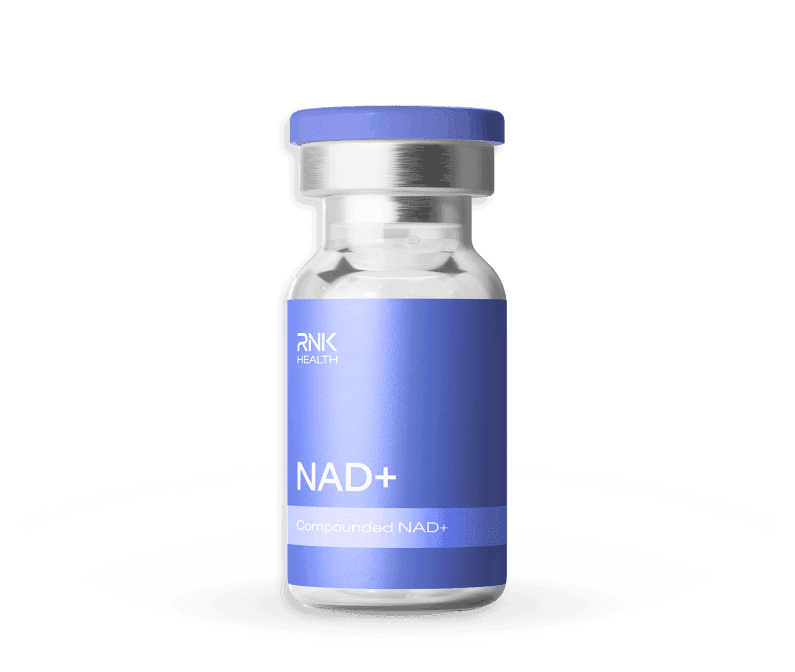
NAD+, short for Nicotinamide Adenine Dinucleotide, is a coenzyme found in every cell of the body. It plays a critical role in:
- Cellular energy production
- Mitochondrial health
- DNA repair
- Metabolic function
- Cellular regeneration
- Healthy aging processes
Research has shown that NAD+ levels decline substantially as people age. Lower NAD+ availability can impair cellular function and contribute to fatigue, brain fog, reduced resilience, and visible signs of aging.
Growth Hormone Production Declines
Another major factor affecting energy after 40 is the gradual reduction of growth hormone production.
Growth hormone is essential for:
- Muscle maintenance
- Recovery
- Metabolism
- Sleep quality
- Physical performance
- Tissue repair
Beginning in early adulthood, growth hormone production naturally declines each decade. Lower levels can contribute to:
- Reduced energy
- Increased body fat
- Decreased muscle mass
- Slower recovery
- Poor sleep quality
This age-related decline is sometimes referred to as somatopause.
Sleep Quality Changes
Many adults over 40 experience changes in sleep patterns.
Common issues include:
- Difficulty falling asleep
- Frequent nighttime awakenings
- Less deep sleep
- Early morning waking
- Reduced recovery during sleep
Poor sleep directly impacts energy production, cognitive performance, hormone balance, and overall well-being.
Increased Cellular Stress
Over time, cells are exposed to environmental stressors such as:
- Poor nutrition
- Chronic stress
- Lack of exercise
- Inflammation
- Environmental toxins
These factors can accelerate aging processes and place additional strain on the body's energy-producing systems.
Common Signs of Age-Related Energy Decline
The effects of aging often appear gradually, making them easy to overlook.
Common signs include:
Persistent Fatigue
Many adults feel tired despite getting adequate sleep. Energy may be sufficient in the morning but decline sharply throughout the day.
Brain Fog
Difficulty concentrating, reduced focus, and mental fatigue often accompany age-related changes in cellular function.
Slower Recovery
Exercise soreness may last longer, and physical recovery after workouts becomes less efficient.
Reduced Motivation
Low energy frequently affects motivation, productivity, and enthusiasm for daily activities.
Changes in Body Composition
Declining hormone levels can make it more difficult to maintain lean muscle while increasing the tendency to gain body fat.
Poor Sleep Quality
Many individuals notice that sleep no longer feels as restorative as it did in earlier years.
Understanding NAD+ and Its Role in Energy Production
NAD+ has become one of the most discussed compounds in longevity medicine due to its central role in cellular function.
What Is NAD+?
NAD+ is a naturally occurring coenzyme that exists in every living cell. It helps convert nutrients into usable cellular energy.
Without sufficient NAD+, cells struggle to perform many essential functions.
How NAD+ Supports Mitochondrial Energy
Mitochondria rely on NAD+ to carry out energy-producing reactions.
Higher NAD+ availability supports:
- Efficient cellular energy production
- Improved metabolic performance
- Enhanced mitochondrial function
- Better cellular resilience
Because mitochondria power every organ system, supporting NAD+ levels may positively influence overall vitality.
NAD+ and Healthy Aging
In addition to energy production, NAD+ plays a role in cellular maintenance and repair.
Key functions include:
- Supporting DNA repair mechanisms
- Promoting cellular resilience
- Helping maintain healthy metabolic function
- Supporting cognitive performance
- Encouraging healthy aging pathways
As NAD+ levels decline with age, many longevity experts view replenishing NAD+ as a foundational strategy for supporting healthy aging.
How NAD+ Injectable Therapy May Support Vitality
Injectable NAD+ offers a direct way to support NAD+ availability within the body.
Many individuals explore NAD+ therapy to support:
Increased Cellular Energy
Because NAD+ directly participates in energy production, maintaining healthy levels may help support overall vitality.
Improved Mental Clarity
Healthy cellular function in the brain is essential for focus, memory, and cognitive performance.
Many people seek NAD+ support as part of a broader cognitive wellness strategy.
Better Physical Performance
Energy production is critical for endurance, exercise capacity, and daily physical activities.
Supporting mitochondrial health may contribute to improved physical function.
Healthy Aging Support
NAD+ is often considered one of the foundational molecules involved in longevity research because of its broad impact on cellular health.
Understanding Sermorelin and Its Role in Recovery
While NAD+ primarily supports cellular energy production, Sermorelin addresses another important aspect of aging: declining growth hormone signaling.
What Is Sermorelin?
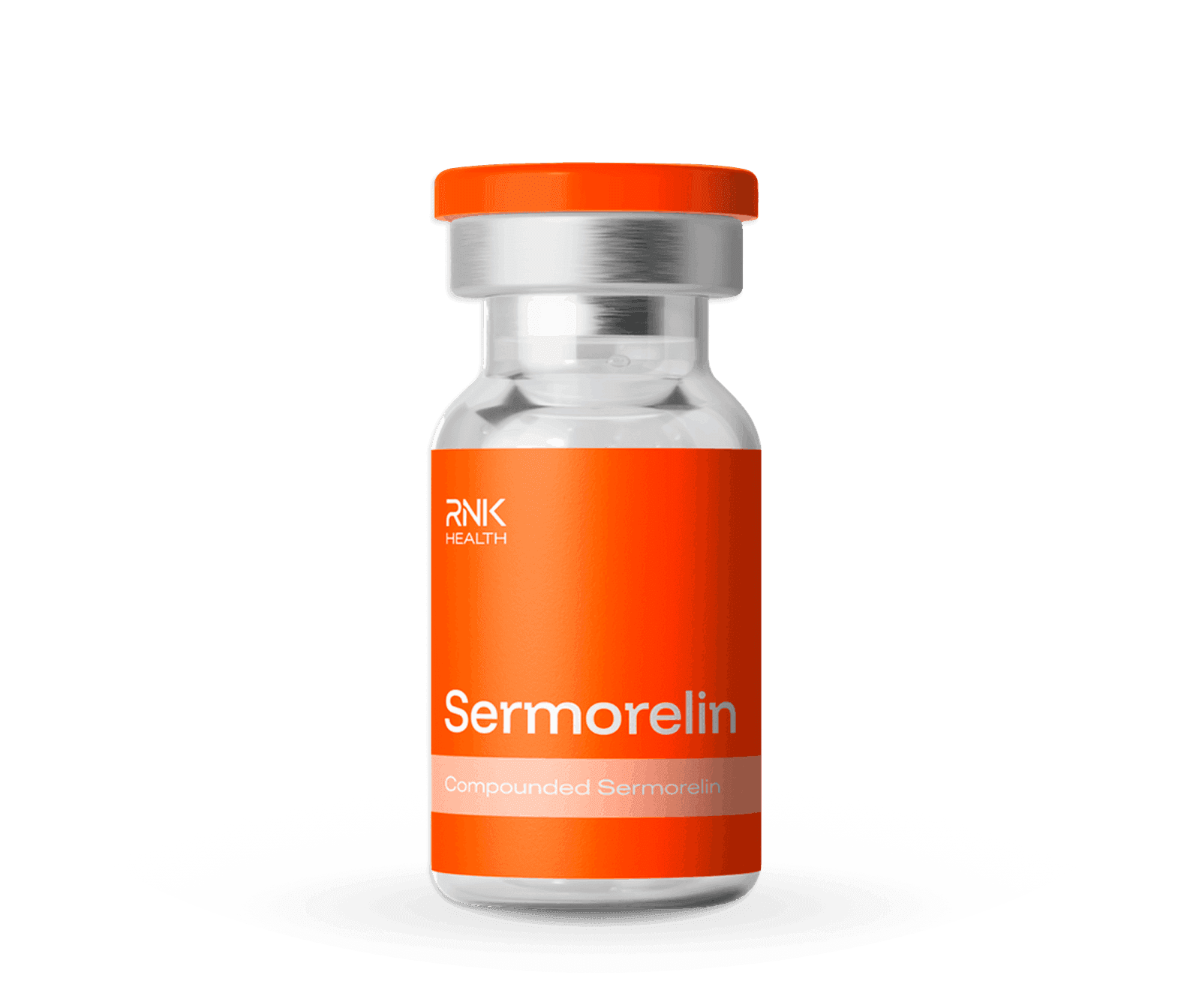
Sermorelin is a peptide that stimulates the body's natural release of growth hormone.
Rather than supplying growth hormone directly, Sermorelin encourages the pituitary gland to produce and release more of the body's own growth hormone.
This makes it a popular option among individuals seeking age-management support.
Why Growth Hormone Matters
Growth hormone plays an important role in:
- Recovery
- Muscle maintenance
- Metabolism
- Sleep quality
- Tissue repair
- Physical performance
As production naturally declines with age, many adults experience noticeable changes in energy and recovery.
How Sermorelin May Support Energy and Vitality
Although Sermorelin is not a stimulant, its effects on recovery and restorative processes may indirectly support improved energy levels.
Enhanced Recovery
Recovery is essential for maintaining consistent energy.
When recovery improves, individuals often experience:
- Less fatigue
- Better exercise tolerance
- Improved resilience
- Increased physical performance
Better Sleep Quality
Growth hormone release occurs primarily during deep sleep.
By supporting natural growth hormone signaling, Sermorelin may help optimize restorative sleep processes.
Improved sleep often translates into:
- Better daytime energy
- Improved mood
- Enhanced cognitive function
- Greater overall well-being
Support for Lean Muscle Maintenance
Maintaining muscle mass becomes increasingly challenging with age.
Healthy growth hormone activity supports:
- Muscle preservation
- Exercise recovery
- Physical strength
- Metabolic health
Support for Healthy Body Composition
Age-related hormonal changes can contribute to increased body fat and reduced muscle mass.
Supporting natural growth hormone production may help individuals maintain healthier body composition as they age.
Why NAD+ and Sermorelin Complement Each Other
Although NAD+ and Sermorelin work through different pathways, they address many of the same challenges associated with aging.
NAD+ Focuses on Cellular Energy
NAD+ supports:
- Mitochondrial function
- Cellular metabolism
- DNA repair
- Cognitive performance
- Cellular resilience
Sermorelin Focuses on Recovery and Restoration
Sermorelin supports:
- Natural growth hormone production
- Recovery
- Deep sleep
- Muscle maintenance
- Healthy body composition
Together They Address Multiple Drivers of Fatigue
Age-related fatigue is rarely caused by a single issue.
Instead, it often results from a combination of:
- Reduced cellular energy
- Poor recovery
- Hormonal decline
- Sleep disturbances
- Metabolic changes
By targeting both cellular energy production and recovery pathways, NAD+ and Sermorelin may offer a more comprehensive approach to supporting vitality after 40.
Lifestyle Habits That Enhance Results
While advanced wellness therapies can provide valuable support, lifestyle habits remain the foundation of healthy aging.
Prioritize Quality Sleep
Aim for seven to nine hours of sleep each night.
Good sleep hygiene includes:
- Consistent sleep schedules
- Limiting screen exposure before bed
- Maintaining a cool sleeping environment
Strength Training Regularly
Resistance training helps preserve muscle mass, metabolic health, and physical function.
Experts recommend strength training at least two to three times per week.
Focus on Nutrient-Dense Foods
A balanced diet rich in:
- Lean protein
- Fruits
- Vegetables
- Healthy fats
- Whole grains
supports both energy production and overall health.
Manage Stress
Chronic stress can accelerate aging processes and negatively impact recovery.
Effective stress-management strategies include:
- Meditation
- Deep breathing
- Physical activity
- Time outdoors
Stay Physically Active
Regular movement supports:
- Circulation
- Metabolic health
- Mitochondrial function
- Long-term vitality
Taking a Proactive Approach to Aging
Many people assume that declining energy is an unavoidable consequence of getting older. While some biological changes are natural, modern longevity strategies are helping individuals take a more proactive approach to aging.
Supporting cellular health, energy production, recovery, and sleep quality can have a significant impact on how people feel and function throughout middle age and beyond.
Rather than simply accepting fatigue as inevitable, many adults are exploring evidence-based approaches that address the underlying causes of age-related decline.
Conclusion
Energy decline after 40 is influenced by a variety of biological factors, including reduced mitochondrial function, declining NAD+ levels, lower growth hormone production, and changes in sleep quality. These age-related shifts can affect everything from physical performance and mental clarity to recovery and overall vitality.
NAD+ and Sermorelin address different but complementary aspects of the aging process. NAD+ supports cellular energy production and mitochondrial function, while Sermorelin helps promote natural growth hormone release, supporting recovery, restorative sleep, and healthy body composition.
When combined with healthy lifestyle habits such as proper nutrition, regular exercise, quality sleep, and stress management, these therapies may help support a more energized, active, and vibrant approach to aging. For individuals looking to maintain vitality after 40, understanding and addressing the biological roots of fatigue can be an important step toward long-term wellness and healthy aging.